

The Benefits Of Using A Yetter Rotary Hoe For Organic Application To Take Care Of Weeds
Mar 12th 2026
Why Organic Farmers Need Mechanical Weed Control Solutions
Weed control is a persistent challenge in organic agriculture. Without the chemical options available to conventional producers, you face constant pressure from weeds, particularly in the early season when crops are most vulnerable. Mechanical solutions are essential—not just to avoid yield-robbing competition, but to meet organic certification standards. Tools that help maintain soil health, minimize soil compaction, and fit within your crop rotation schedule aren't merely helpful; they're critical to the long-term productivity and resilience of your organic fields.
What Is a Yetter Rotary Hoe?
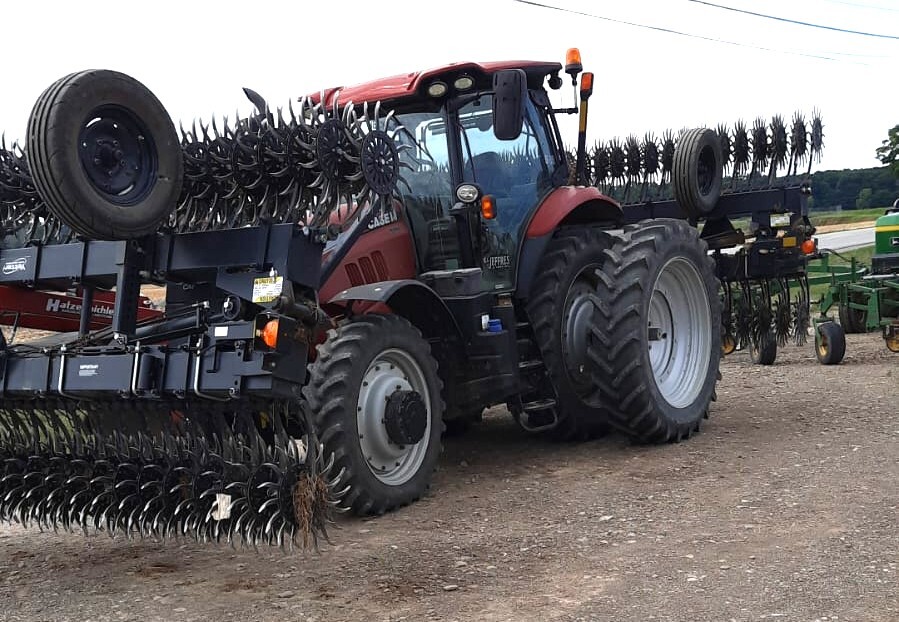
How a Rotary Hoe Works
The rotary hoe is designed for shallow cultivation, uprooting small weeds in their thread stage before they can threaten your crop stand. Its spoon-shaped wheels are ground-driven by the tractor, offering continuous agitation across the soil surface. As each wheel rotates, it flicks small weeds out of the ground, breaks thin surface crust, and aerates the upper soil layer—all without burying residue or damaging emerged crops when set correctly. This action can dramatically impact the germination window of weeds and protect soil structure.
What Makes Yetter Rotary Hoes Different?
Yetter’s rotary hoe stands out for its robust construction and thoughtful engineering. The frame is built to prevent flex, which is essential for effective weed control. The row-unit mounting system enables independent operation, so the tool follows uneven ground smoothly. Heavy-duty bearings, easily replaced parts, and a field-tested approach reflect a commitment to practical performance you can count on season after season.
Compatible Crops, Row Spacing, and Field Conditions
Versatility is crucial, and the Yetter rotary hoe delivers. It’s highly effective in corn and soybeans, but also performs well in small grains, specialty crops, and organic systems with unique rotation demands. You can use it at early growth stages—from pre-emergence through the first few leaf stages—allowing for precise timing. The hoe adapts to standard 30" row spacings and wider formats (36", 38", and custom up to 40"), fitting seamlessly with modern and traditional planter setups. Whether you farm large acreages or manage smaller, more diverse organic areas, a Yetter rotary hoe integrates with your existing planting and cultivation tools.
7 Key Benefits for Organic Weed Management
1. Early-Stage Weed Control Without Chemicals
Deploying the rotary hoe at the “white-thread” stage lets you target germinating weeds before they emerge and compete with your crop. This preemptive strike is an organic grower’s best defense against early-season weed pressure—critical for maintaining crop health and stand uniformity without chemical intervention.
2. Breaks Soil Crusting for Better Crop Emergence
Surface crusting often follows heavy rainfall or irrigation. The rotary hoe gently cracks this layer, promoting oxygen exchange and improving water infiltration. By keeping the seedbed loose, you help every seed emerge evenly, supporting a robust, uniform canopy later in the season.
3. Preserves Soil Structure Compared to Aggressive Tillage
Unlike aggressive tillage implements that risk disrupting subsoil layers and compacting working areas, the rotary hoe’s shallow action preserves soil biology and maintains tilth. This means continued support for beneficial microbes, nematodes, and earthworms, all key to long-term soil health.
4. Reduces Labor and Fuel Costs
The Yetter rotary hoe covers large acreages rapidly, often running at speeds of 7–10 mph. This high-efficiency operation minimizes “tractor time,” cutting both fuel usage and labor costs during the critical spring work window.
5. Enhances Organic Certification Compliance
Mechanical weed management is a cornerstone of organic production. Employing a rotary hoe helps you meet USDA organic requirements for chemical-free weed control and demonstrates a strong management plan when you sign your organic paperwork.
6. Improves Nutrient and Fertilizer Efficiency
Unchecked weeds steal moisture and valuable organic nutrients from your crops, reducing yields and wasting input investments. By suppressing early weeds, you ensure available nutrients are used by your intended crop—vital in both conventional and organic fertilizer regimes.
7. Promotes Stronger Root Development
Loosening the upper soil layer with a rotary hoe helps young roots expand and access water more easily. Just as importantly, these plants are less likely to experience seedling stress in variable early spring conditions, setting up your field for stronger vegetative growth.
When and How to Use a Yetter Rotary Hoe for Maximum Weed Control
Best Timing for Rotary Hoeing
- Pre-emergence pass: to disrupt small weeds before your crop emerges.
- Post-emergence: treat at the white-thread to V3 stage for maximum impact and minimal crop injury.
- After heavy rainfall: quickly break the crust to keep soils breathable and crops growing.
Ideal Field Conditions
- Dry surface soil: Prevents smearing or compaction.
- Weeds at white-thread: Most effective before the first true leaves appear.
- Avoid overly wet soil: Too much moisture can cause compaction and risk plant injury.
Recommended Speed and Depth Settings
Proper down-pressure adjustments are essential; wheels should just contact the surface to flick weeds out, not dig deep. Don’t be afraid to run fast—the rotary hoe is designed for high-speed operation to maximize throughput and weed removal efficiency.
Why Organic Farmers Choose Yetter Equipment
Proven Engineering and Field-Tested Durability
Yetter’s rotary hoe has been refined through decades of field use, ensuring each component—from bearings to wheel design—delivers performance with minimal downtime.
Designed for Modern Organic Acreage
Compatible with today’s larger tractors and variable row setups, Yetter ensures your weed control tool matches the scale and complexity of your organic system—whether a single specialty crop or a broad acreage.
Row Spacing Flexibility and Planter Compatibility
Farmers running standard 30", specialty wide rows, or even twin-row systems will appreciate Yetter’s modular build and adjustable wheel units. This flexibility makes the rotary hoe an excellent companion tool for nearly any planter or air-seeder arrangement.
Easy Maintenance and Replacement Parts Availability
Wearable parts—spoon wheels, bearings, and bushings—are designed with field-serviceability in mind. RangeLine Group supports your operation with prompt shipping and expert guidance, so you can quickly address maintenance and get back to work.
Backed by Agricultural Expertise
With a team rooted in practical farming backgrounds, Yetter’s support and engineering staff understand the real-world challenges of modern organic agriculture and respond with solutions that work.
Comparing Rotary Hoeing to Other Organic Weed Control Methods
Rotary Hoe vs. Row Cultivator
While row cultivators focus on between-row weed control, the rotary hoe operates across the entire field, targeting between and directly over the row. This broadcast approach is particularly effective against weed flushes soon after planting, before rows are easily visible or accessible for cultivation.
Rotary Hoe vs. Harrow
Rotary hoes are more aggressive than tine or chain harrows, making them better suited for breaking stubborn crusts as well as uprooting anchored weeds, especially following wet, compaction-prone periods in spring.
Mechanical Control vs. Flame Weeding
Flame weeding requires specialized equipment, fuel, and heightened safety protocols. Rotary hoeing is safer, less costly per acre, and compatible with a wider range of weather and field conditions, offering a more consistent form of mechanical weed management.
Common Mistakes to Avoid When Using a Rotary Hoe
Operating Too Late in Weed Growth Stage
If you wait until weeds develop visible leaves or roots, they may resist uprooting and quickly outcompete emerged crops. Timing is everything—operate as weeds germinate for the best results.
Improper Down Pressure Settings
Too much pressure can damage young crop plants; too little won’t disturb emerging weeds adequately. Regular, careful adjustment by field and crop stage is vital for effectiveness.
Ignoring Soil Moisture Conditions
Wet or sticky soils can smear, create compaction, and reduce wheel action. Wait for optimal, friable surface conditions to prevent negative effects on soil structure and stand.
How a Yetter Rotary Hoe Improves Long-Term Farm Productivity
Reducing Herbicide Dependency
Investing in mechanical weed control lets you reduce or eliminate reliance on herbicides—an advantage for organic compliance, input savings, and environmental sustainability.
Improving Yield Potential Through Early Weed Suppression
Removing weeds during the crop’s most sensitive early growth stages maximizes light, moisture, and nutrients available to young plants, improving yield potential and stand consistency.
Supporting Regenerative and Sustainable Practices
A rotary hoe fits into a regenerative system by minimizing soil compaction, supporting soil biology, and enabling organic rotation without chemical residues. It’s a foundational tool for any sustainable fieldwork plan.
Is a Yetter Rotary Hoe the Right Investment for Organic Weed Control?
A rotary hoe offers organic growers a proven mechanical solution for early-season weed pressure, bringing together effectiveness, flexibility, and long-term returns for soil health and sustainable yields. Yetter’s robust design, adaptability to varying cropland, and reputation for service make their rotary hoes a strong asset in your weed management toolkit—whether as part of an all-mechanical weed strategy or in rotation with other control methods. The result: more uniform emergence, improved nutrient utilization, and a stronger foundation for organic and regenerative success.
Explore RangeLine Group's Yetter Rotary Hoes and Equipment
Whether outfitting a new tool or maintaining your existing Yetter rotary hoe, RangeLine Group provides the specialized fertilizer application parts and support you need—timely shipping, great guidance on compatibility, and preseason deals that keep your operation efficient. Our farming-experienced team can answer your technical questions or help you get the right setup for your acreage. Shop our Yetter rotary hoes or contact us for expert advice!