

What is Topsoil?
Jun 12th 2025
Topsoil is the uppermost layer of natural soil, and it is what makes healthy plant growth possible in the first place. Whether you are filling a raised bed in your backyard or managing hundreds of acres of working farmland, the quality of your topsoil determines how well your plants and crops will grow. At RangeLine Group, we know that soil health is the starting point for every pass you make across a field, whether you are tilling, planting, or applying fertilizer. Understanding what topsoil is, what it contains, and how to use it correctly can save you time, money, and frustration down the line.
What Is Topsoil?
Topsoil is the top layer of soil, generally extending 2 to 8 inches deep, though depth can vary depending on your region and land history. This layer sits above the subsoil and is where nearly all biological activity happens. Plant roots, soil microorganisms, and nutrient exchange are concentrated in this top layer, which is why it plays such an outsized role in growing plants successfully. Below the topsoil, the subsoil contains fewer nutrients and far less organic matter, making it far less useful for planting on its own.
How Topsoil Forms
Natural topsoil forms slowly over time as rock weathers and organic matter decomposes. This process can take centuries, which is one reason healthy native topsoil is considered such a valuable resource for growers and gardeners alike.
What Topsoil Is Made Of
Topsoil is primarily composed of sand, silt, and clay, along with organic matter, water, and air. The exact soil composition varies by region, and that ratio has a direct effect on drainage, nutrient content, and how easy the soil is to work with. Sandy soil drains quickly but tends to hold fewer nutrients, while clay soils retain moisture well but can suffer from poor drainage. Loamy soil, which is a balanced mix of sand, silt, and clay, is often considered the ideal soil type for most plants because it offers good drainage while still holding onto essential nutrients. Soil rich in organic matter also tends to have a loose, crumbly texture that lets oxygen reach plant roots more easily, which supports root development and overall plant health.
Improving Existing Soil
Topsoil is also commonly used to improve existing soil that has become compacted, depleted, or otherwise poor in quality. Blending fresh topsoil into tired native soil can restore soil health and give plant roots room to establish themselves. If compaction is the underlying issue, it helps to understand what causes soil compaction and how tillage tools can fix it before adding new material on top.
Erosion Control and Land Reclamation
Topsoil anchors plant roots, which helps prevent soil erosion on slopes, construction sites, and other disturbed land. Because topsoil can filter and buffer pollutants, store carbon, and reduce erosion, it plays an important role in land reclamation projects well beyond typical residential landscaping.
Agricultural and Field Applications
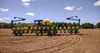
For growers, topsoil is essential to nearly every part of the operation. Seedbed preparation depends on having enough depth and structure in the topsoil layer to support strong root development, and that root development is directly tied to yield. Both tillage and direct drilling can play a role in protecting and managing topsoil across a growing season, and the right choice often depends on your soil type, moisture conditions, and long term field goals. Full cultivation can help incorporate organic matter and break up compaction in heavier soils, while direct drilling can reduce disturbance and help preserve soil structure over time. Neither approach is universally correct, and many growers find that the best results come from adjusting their practices field by field based on what the soil actually needs that season. For a closer look at how the two methods compare, see our breakdown of direct drilling versus full cultivation.
Types of Topsoil
There are several recognized types of topsoil, generally grouped into six categories: clay, silt, sand, loam, chalk, and peat.
- Screened topsoil is fine, free of debris, and ready to use right away.
- Unscreened or field run topsoil still contains rocks, roots, and clumps, and it is best suited for fill projects only.
- Blended or manufactured topsoil combines natural topsoil with compost or other soil amendments.
Clay topsoil is heavy and retains moisture well but often lacks adequate drainage. Silt topsoil holds nutrients and moisture effectively, making it useful for a range of plants. Sand topsoil is lightweight and drains quickly but is typically low in nutrients on its own. Chalky soil tends to be alkaline due to its limestone or calcium carbonate content, which can limit the plants that thrive in it.
Topsoil and Equipment: Getting the Most Out of Your Soil
Whether you rely on full cultivation, direct drilling, or a combination of both, having the right tillage parts and field prep equipment makes it easier to protect your topsoil and get the most from it season after season. Well maintained disc blades and coulter blades help you manage soil structure more precisely, which in turn supports stronger seedbeds and more consistent yields, while properly set up grain drill parts support even seed placement once that seedbed is ready. If you are ready to upgrade your setup, browse RangeLine Group's full range of parts or contact us and our team can help you find what fits your operation. At its core, topsoil is simply the nutrient rich top layer of soil that makes plant growth possible, and taking care of it pays off for years to come.